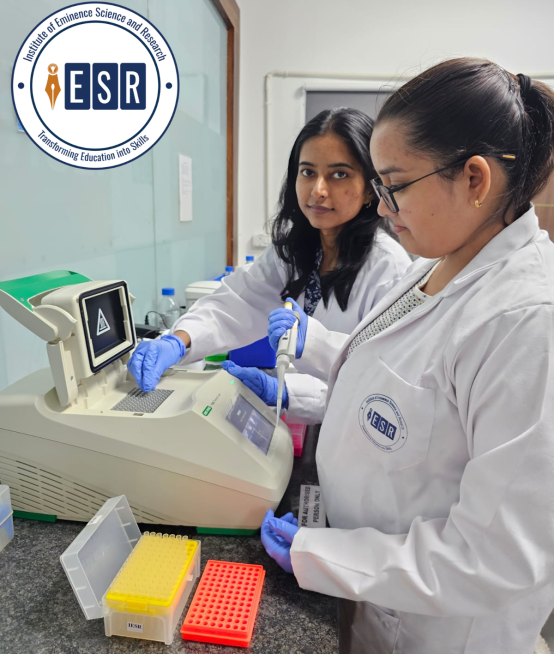
Introduction — Why Educational Courses in NGS Matter
Next-Generation Sequencing (NGS) has transformed the way we diagnose, treat, and prevent diseases. For students, researchers, and clinicians who want to work at the forefront of precision medicine, learning these technologies through structured Educational Courses is essential.
At IESR, specialized programs in NGS, molecular biology, bioinformatics, and related fields prepare learners to apply genomic knowledge in real-world clinical settings. Let’s explore how clinical genomics solutions use NGS and which courses will best equip you for a future in precision medicine.
What Is Clinical Genomics?
Clinical genomics is the use of genetic information to guide patient care. It involves sequencing and analyzing DNA/RNA to identify mutations, predict disease risk, and personalize treatment. NGS plays a central role here because it allows rapid, cost-effective, and detailed genetic analysis.
Core Topics Covered in Educational Courses
NGS (Next-Generation Sequencing)
- Overview of sequencing platforms
- Library preparation basics
- Clinical applications (cancer panels, germline testing)
Molecular Biology
- DNA/RNA fundamentals
- PCR, qPCR, and sample handling
- Hands-on wet-lab skills
Microbiology & Infectious Genomics
- Pathogen sequencing for outbreak tracing
- Metagenomics basics
Forensic Science
- DNA profiling methods
- Chain-of-custody and ethics
Nanotechnology
- Nanopore sequencing fundamentals
- Nanoscale sample prep advances
Bioinformatics & Big Data Analysis
- Sequence alignment and variant calling
- Data pipelines, cloud computing, and visualization
Genetic Counseling
- Communicating genomic results to patients
Consent, privacy, and ethical considerations
How NGS Works in Clinical Genomics — Simple Steps
- Sample Collection: Blood, saliva, or tissue; maintaining sample integrity.
- Library Preparation: Fragment DNA/RNA and attach adapters.
- Sequencing Run: Generate millions of reads on an NGS platform.
- Data Analysis: Align reads, identify variants, and annotate results.
- Clinical Reporting: Share findings with clinicians for decision-making.
Why Institute-Based Educational Courses Matter
Choosing an institute like IESR ensures:
- Real-world case studies
- Project-based learning
- Expert mentorship from genomics professionals
Clinical Applications — Where NGS Makes a Difference
Cancer Genomics
Identify tumor mutations to guide targeted therapies.
Rare Disease Diagnostics
Find genetic causes when traditional testing fails.
Pharmacogenomics
Predict drug responses to minimize side effects.
Infectious Disease Surveillance
Track pathogen mutations to manage outbreaks.
Data Challenges & How Courses Prepare You
NGS generates massive datasets. Educational Courses teach:
- Secure data storage and management
- Ethical handling of patient information
- Big data analysis tools and workflows
Ethics, Regulation, and Quality Control
Proper training covers:
- Informed consent
- Quality assurance (ISO standards)
- Data privacy laws
Career Paths After Completing Educational Courses
- Clinical Genomics Scientist
- Bioinformatics Analyst
- Molecular Technologist
- Genetic Counselor
- Forensic DNA Analyst
Practical Tips for Choosing the Right Course
- Ensure hands-on labs are included
- Verify instructor credentials
- Look for industry partnerships
- Check placement assistance history
Local Relevance — Access Training at IESR
IESR offers industry-relevant Educational Courses in India. With direct access to certified labs, real datasets, and clinical collaborations, you can gain the skills needed to work in genomics both nationally and internationally.
Conclusion
Educational Courses in NGS and clinical genomics are more than just academic training — they’re your entry point into one of the fastest-growing areas in healthcare. With the right skills, you can help deliver truly personalized medicine.
Ready to start your journey? Explore courses at IESR and take your career to the next level.
FAQs
Q1: What is NGS and why should I study it?
NGS reads DNA/RNA quickly and accurately, opening career opportunities in diagnostics, research, and clinical genomics.
Q2: How long do Educational Courses last?
Programs range from short workshops to multi-month certifications.
Q3: Do I need prior lab experience?
Some beginner courses require no prior experience; advanced ones expect basic molecular biology knowledge.
Q4: Can I use NGS skills in India?
Yes — many Indian hospitals and labs now use NGS for diagnostics and research.
Q5: Will I learn data analysis?
Yes — quality courses cover bioinformatics and big data analysis workflows.